Unraveling the mystery of comfort.
i-TOWELThe material of (iTowel).
Feels good against the skin.
Water absorbent. Quick drying. Durability.
Everything a premium towel can do
On one sheet.
This represents Izawa Towel's current position and culmination of its work.
For you,
What does it mean to feel comfortable?
Please see the answer.
Feature
形
A face towel is approximately 34cm wide. This is thought to be because it originated from the size of "sarashi" (a type of bleached cotton cloth) which was based on the standard size of weaving machines from before the Edo period (33x90cm). Currently, face towels are approximately 34cm x 80cm, a size unique to Japan.
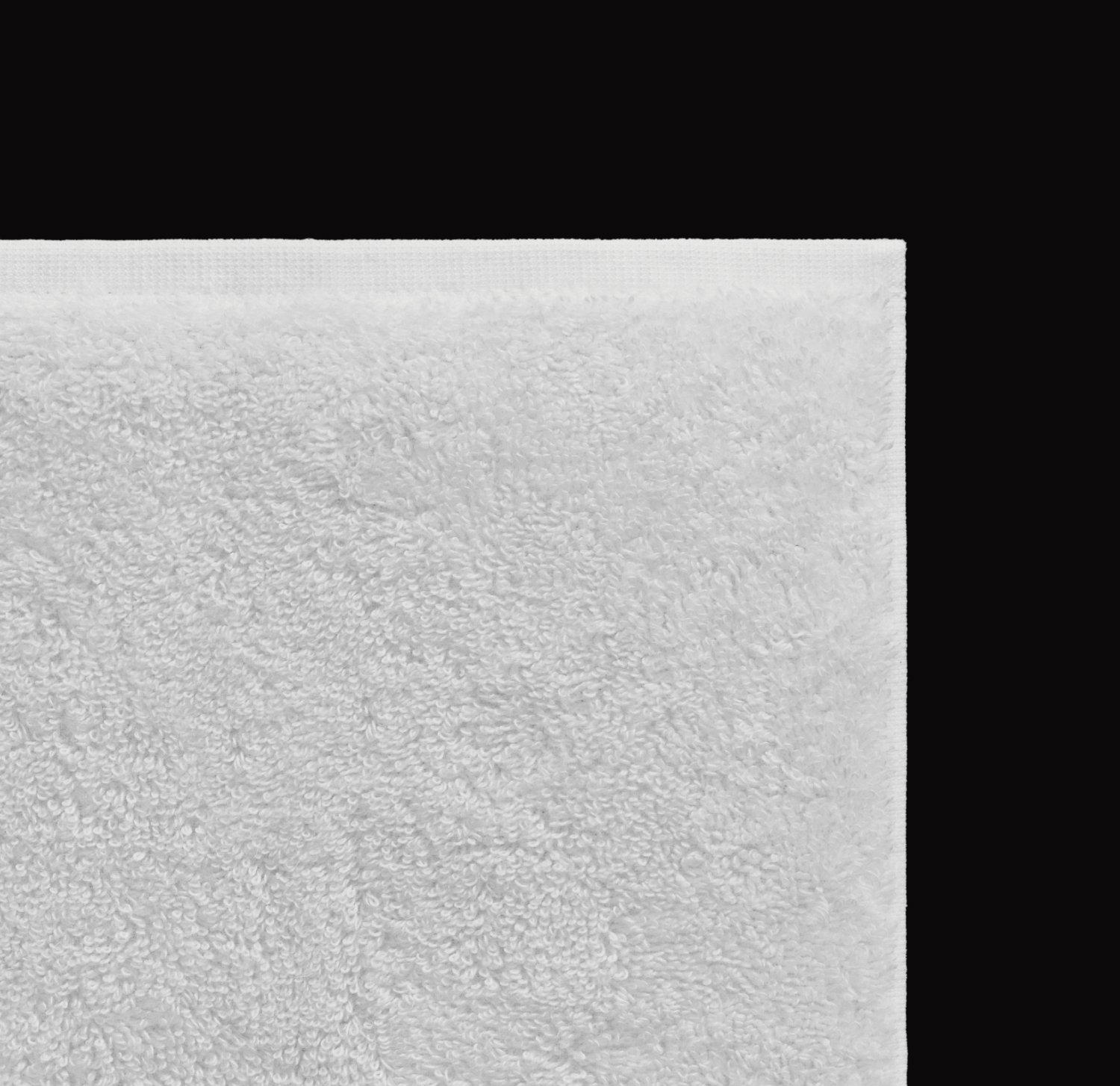
Towel fabric is structurally weaker than typical woven fabrics and is prone to losing its shape during washing and drying. Therefore, maintaining the towel's beautiful rectangular shape and achieving both "practical usability" and "beauty" is key to its development. i-TOWEL incorporates structural innovations such as increasing the yarn density of the horizontal hems and vertical edges. Furthermore, the manufacturing process is designed to minimize deformation by pre-shrinking the yarn. As a result, the corners are less likely to lose their shape, the edges meet perfectly at right angles, and the towel folds neatly and comfortably.
Unraveling the mystery of comfort
Feature
Fur
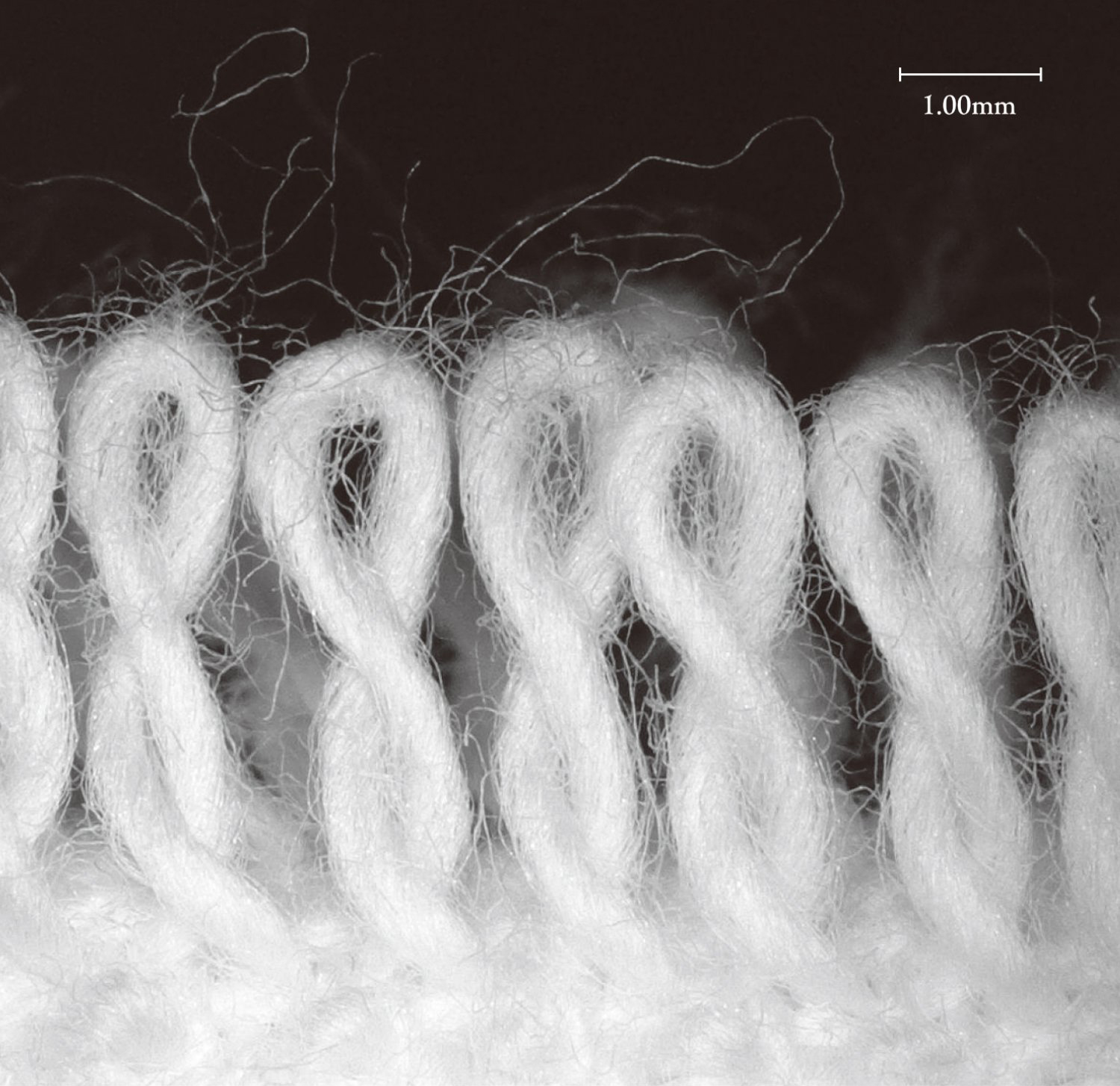
In the context of towels, the texture of the pile refers not only to its sheen but also to the overall visual impression that evokes a sense of tactile comfort. It's an important indicator that allows us to intuitively judge whether a towel is good quality simply by looking at it, without even touching it.
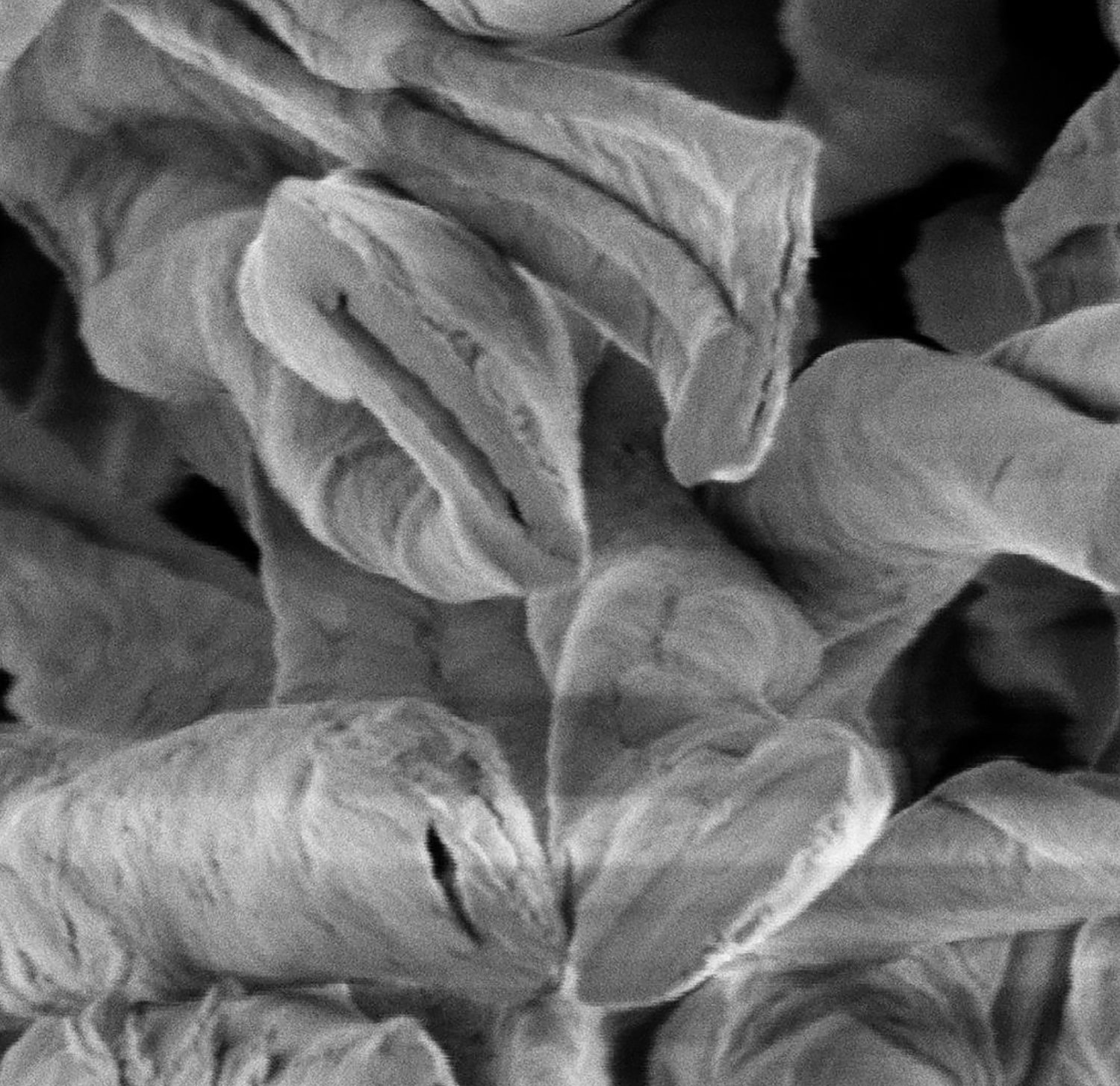
The key to a high-quality pile lies in the exquisite balance between "how the pile stands up" and "the spacing between the piles." If the spacing is too close, air and water cannot pass through, making it difficult to dry, and if it is too spread out, the appearance is compromised. The biggest challenge for pile quality, the cause of the piles becoming flattened, is that the strong rotational torque generated during the spinning process causes the piles to collapse from the roots as they try to return to their original shape. The technique employs a method of enhancing self-support by selecting fibers with strong crimp and good interlocking properties, rather than using yarns with strong twists.
The definition of "good quality" for Izawa towels is not based on the designer's personal subjective opinion, but rather on reproducing the state that users have objectively judged as "good" based on past experience.
Unraveling the mystery of comfort
Feature
Skin feel
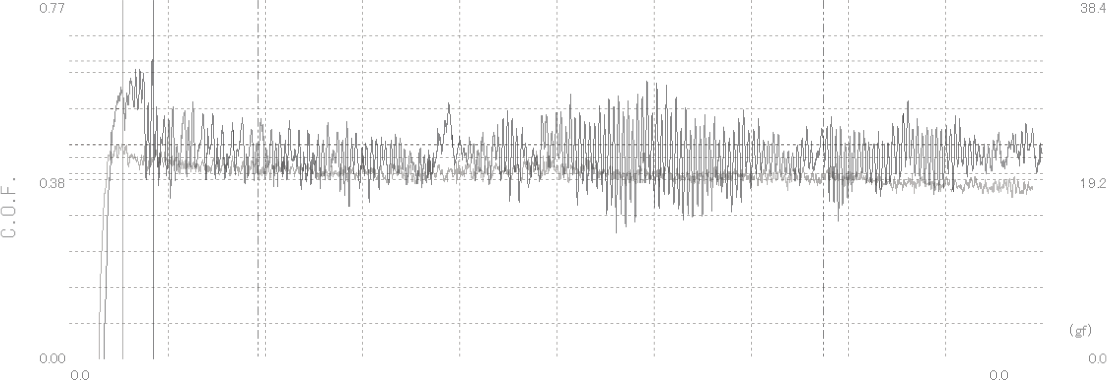
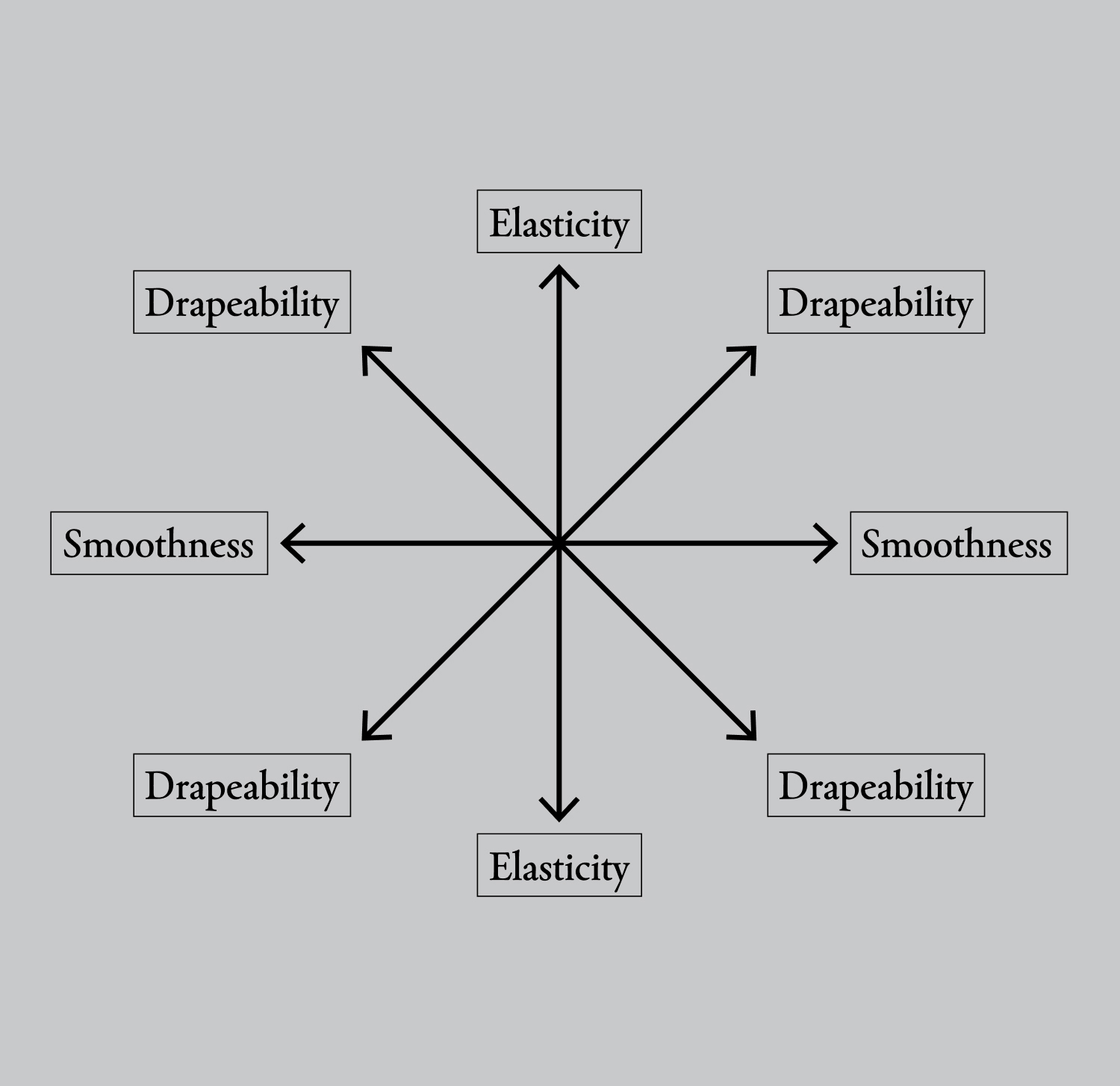
The feel or texture of a towel is not simply about softness. Izawa Towel defines "texture" as the integration of three elements: ① smoothness (softness in the horizontal direction), ② elasticity (softness in the vertical direction), and ③ suppleness (the flexibility of the fabric to conform to the three-dimensional curves of the body, drape). For example, a hard fabric like a bath mat does not conform to the complex curves of the human body, and as a result, it is difficult to feel a soft texture. These three elements are quantified by machine and evaluated quantitatively.
There is no standardized index for "softness" in towel performance evaluation. Therefore, Izawa Towel has developed its own evaluation method and is working with the Faculty of Textile Science at Shinshu University to have this new evaluation method standardized under JIS (Japanese Industrial Standards).
Unraveling the mystery of comfort
Feature
Water Invitation
I believe that the study of towels is about understanding the properties of water, working with water, and managing its movement.
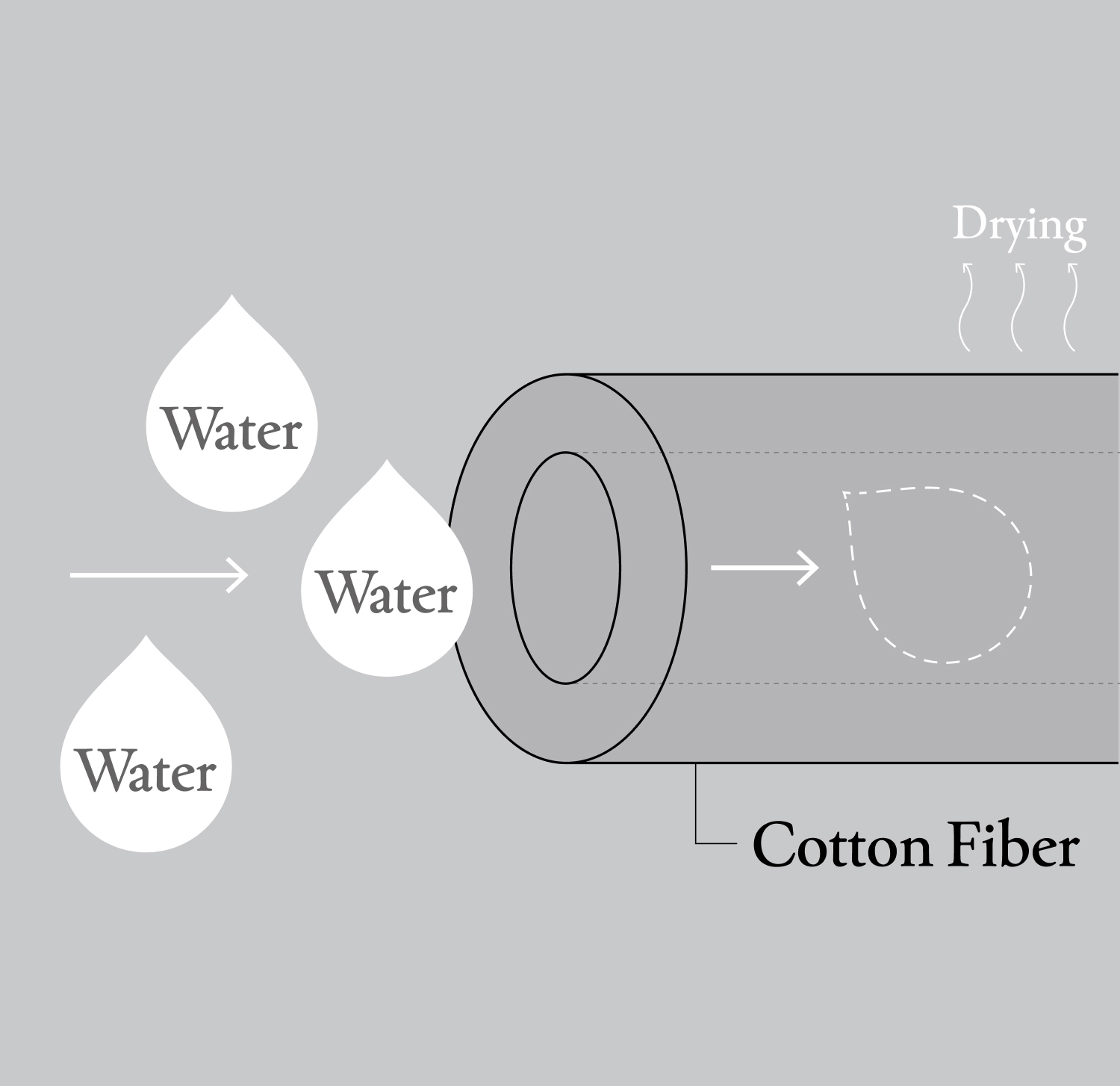
Water absorption, or water inviting, consists of three elements: ① speed, ② quantity, and ③ diffusion. Izawa Towel focuses on "diffusion" to improve the evaluation of "speed" and "quantity." Diffusion is a structure that allows water to permeate deeply and widely in an instant. The core of comfort lies in controlling the "diffusion," or water absorption pathway, where water quickly absorbed on the surface travels through the threads inside the towel and spreads across the entire surface area. By reducing the amount of moisture remaining on the towel surface when wiping, the water absorption capacity does not become full, allowing for faster absorption and movement of moisture, and increasing the amount of moisture absorbed. This "diffusion" is Izawa's unique approach.
Unraveling the mystery of comfort
Feature
Water transfer
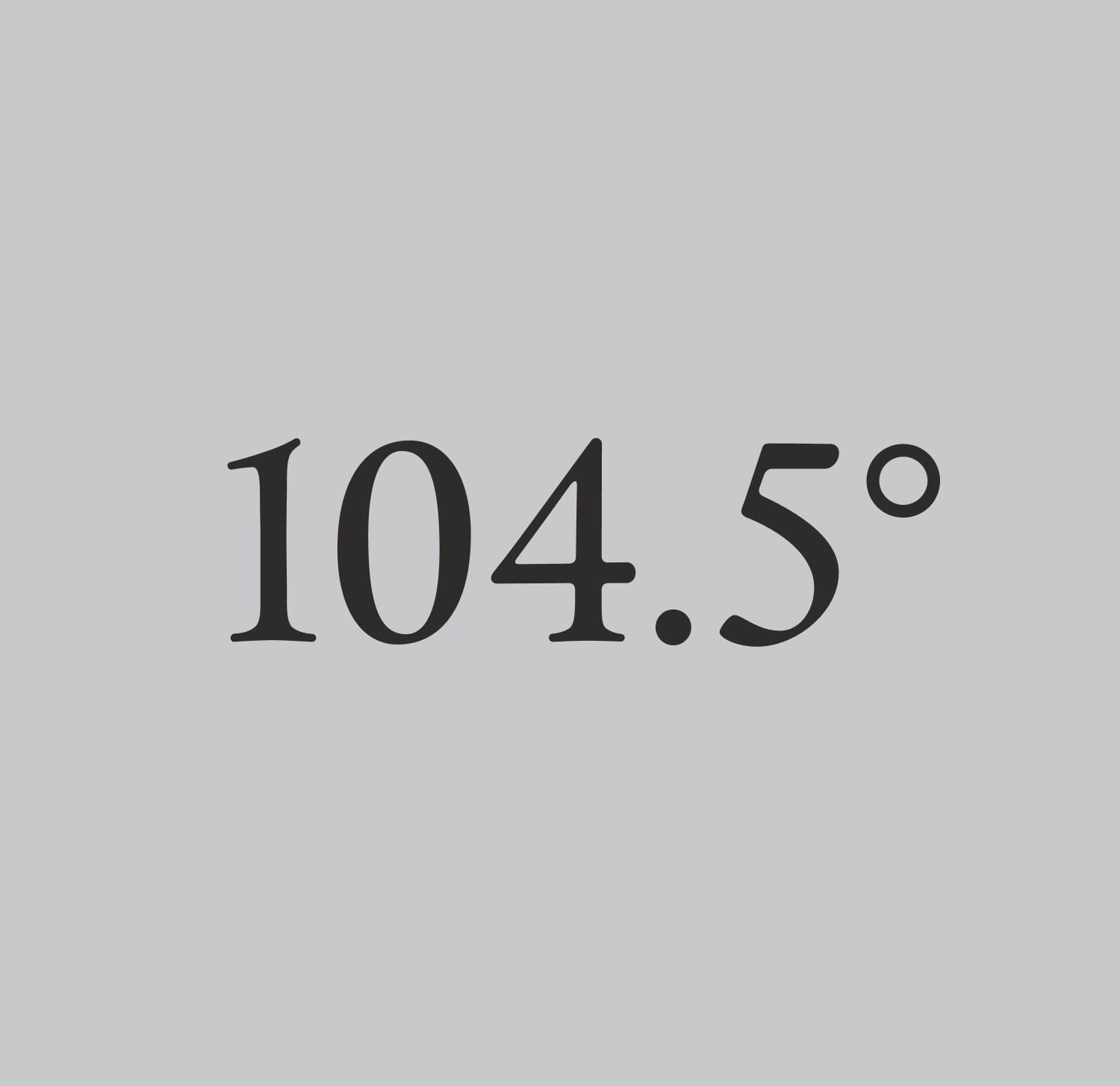
Water transfer, or drying in the context of towels, involves the process by which absorbed water moves and diffuses within the fabric and is released into the atmosphere. Water molecules, H2O, have the unique property of being most stable when the bond angle between the hydrogen and oxygen atoms is 104.5 degrees. In towel design, how water moves and diffuses within the fabric is one of the important considerations. By meticulously designing the water absorption pathways, water can be diffused quickly, and for the same amount of water, the larger the wet surface area of the towel fabric, the more water comes into contact with the atmosphere, resulting in a faster drying speed.
The quick-drying properties of a towel's surface, or "surface quick-drying ability," are a unique evaluation axis and testing method (patented) devised by Izawa Towel through joint research with the Faculty of Textile Science at Shinshu University. Towels with poor surface quick-drying ability feel wet no matter how many times you wipe with them, leading to discomfort. Izawa Towel improves surface quick-drying ability by using patented yarn, achieving a smooth and comfortable feel.
Unraveling the mystery of comfort
Feature
material
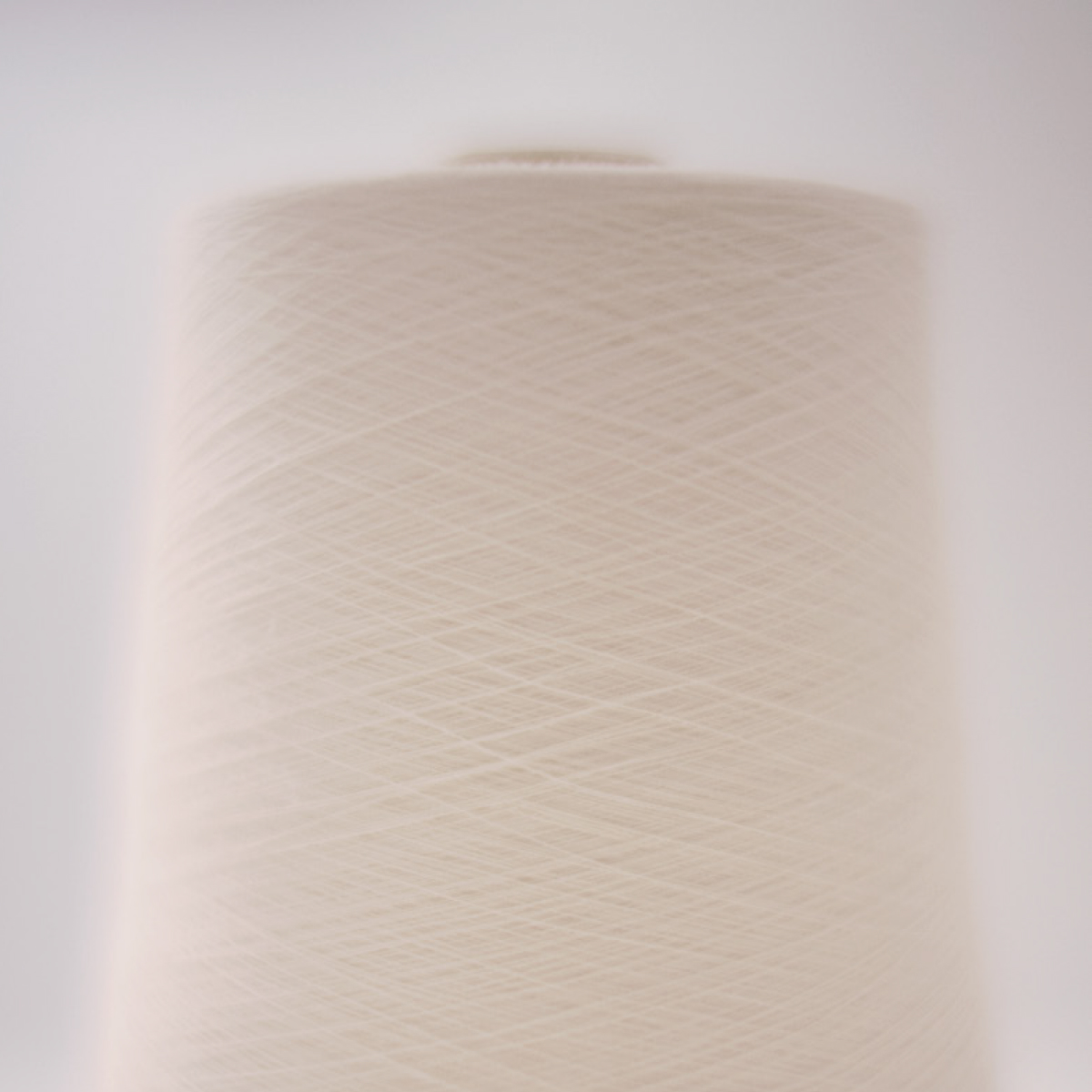
The raw material is cotton. Cotton yarn with uniform length and a strong crimp (curl) is used.
Izawa Towel prioritizes "characteristics" that directly impact product performance, rather than being tied to a specific production area. They don't believe that expensive, long-fiber high-grade cotton, while producing a superior luster, offers a significant advantage in terms of towel functionality. What's truly essential for improving performance is not fiber length, but rather the "strength of the crimp" and the "uniformity" of the length throughout the raw material.
To minimize variations in the quality of cotton, an organic plant, objective evaluation indicators such as HVI data are used to select raw materials with higher uniformity than average length. Furthermore, different types of yarn are used depending on the intended use of each part of the towel; the ground yarn prioritizes "strength" and "water permeability," while the pile prioritizes "feel," "water absorption," "quick drying," and "durability."
Unraveling the mystery of comfort
Tailored to your lifestyle
Lineup
140 cm
70
cm

COLOR
SIZE